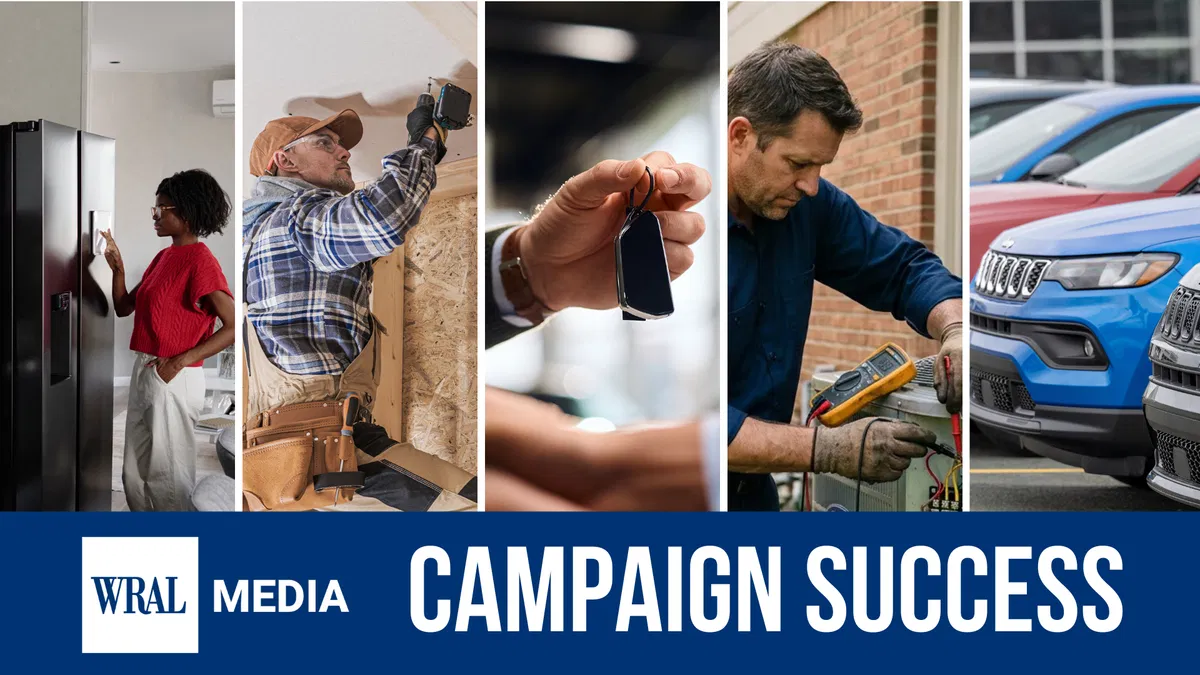
That is why we do not believe in using the same media plan for every client. Here are five recent examples of how different campaigns were built around different business needs.
1. CTV helped a retail advertiser stay visible and drive people to their website.
A Raleigh area appliance retailer used CTV as a consistent branding tactic to reach households across the market.
Campaign reporting showed an average of 287 visits to the advertiser’s stores each month and more than 640 website sessions following CTV ad exposure. The reporting also showed that 36 percent of those website sessions came through the advertiser’s Ads campaigns, suggesting that CTV and search were working together within the media mix and marketing plan.
2. A home improvement campaign focused on people ready to take action
For a home improvement advertiser, the main goal was generating form fills.
The campaign used lower funnel audience targeting, time sensitive creative and several retargeting methods to stay in front of people already showing interest in the service.
The result was targeted form fills every month in each of their markets, along with hundreds of unique website users. The advertiser also saw a year over year increase in pageviews and an increase in website users.
3. Sports on CTV helped an automotive advertiser reach car shoppers
An automotive advertiser wanted to reach potential customers who were actively in the market for a vehicle and encourage them to visit the dealership.
The campaign placed CTV advertising within sports programming and sports related content across publishers and platforms that included Paramount+, ESPN, Peacock and MLB.
Campaign reporting showed an average of more than 60 visits to the dealership and more than 400 website users each month.
4. WRAL digital products produced measurable leads for a home services company
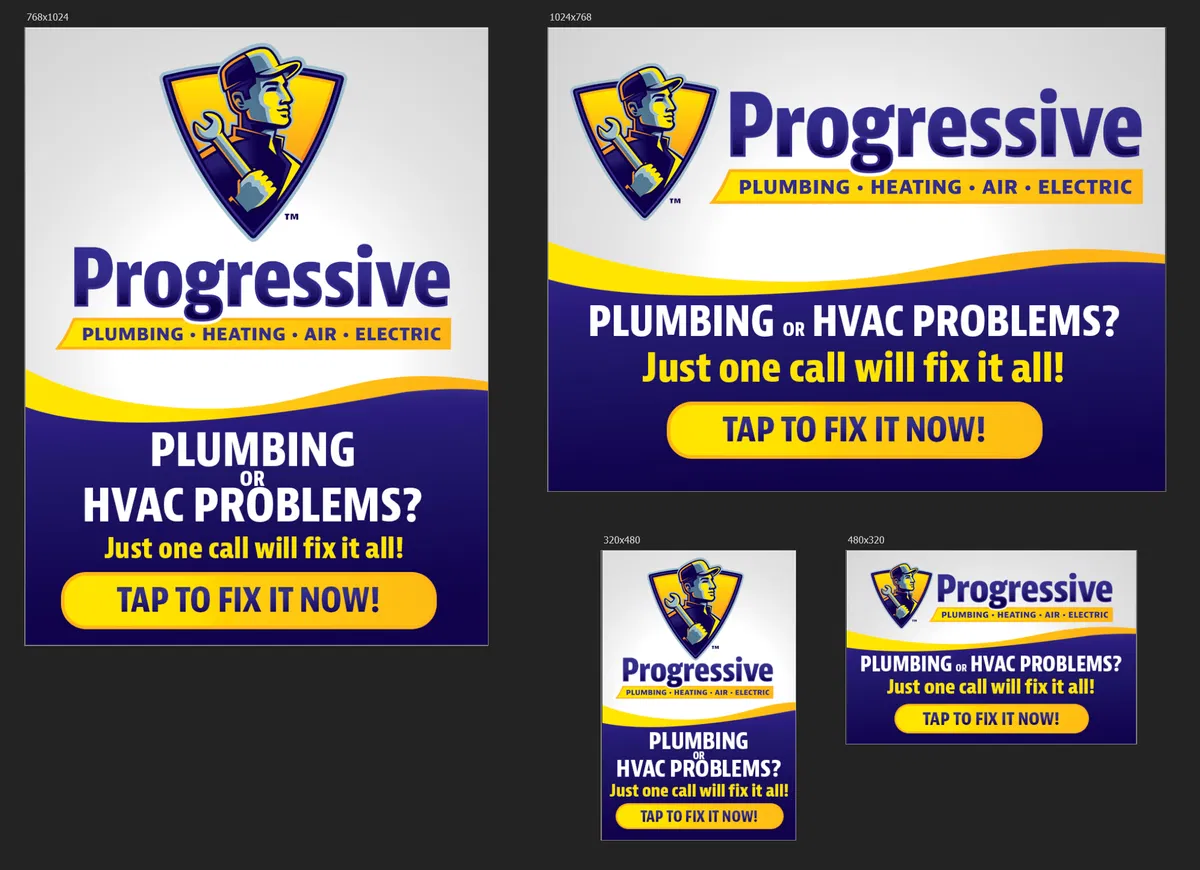
This campaign included targeted display, app display and pre roll. With access to the client’s Google Analytics, the team could monitor actions taken after people clicked through to the advertiser’s website.
During the first two months, the campaign produced measurable phone calls, form starts and completed form fills across display, super billboard and adhesion placements.
5. A high impact WRAL sponsorship kept an automotive brand visible
Another automotive advertiser used high traffic areas of WRAL’s website and apps to build brand visibility.
The campaign included section fronts, super billboards and app opens, along with retargeting that kept the advertiser in front of people after they visited sponsored WRAL content.
The creative was updated regularly with new offers, vehicles and messaging. That helped keep the campaign fresh while giving people a clear reason to engage with the brand.
What could the right campaign do for your business?
These five advertisers had different goals, different audiences and different ways of measuring success. The common thread was a campaign designed around what each business was trying to accomplish.
Tell us about your business, your audience and the results you want to see. We can help build a campaign that works for you.
Read the full story on WRAL.com